Healing
BPC-157 COA guide: what a certificate of analysis should show, purity vs content, batch matching, blends and capsules, and the mistakes UK buyers make.
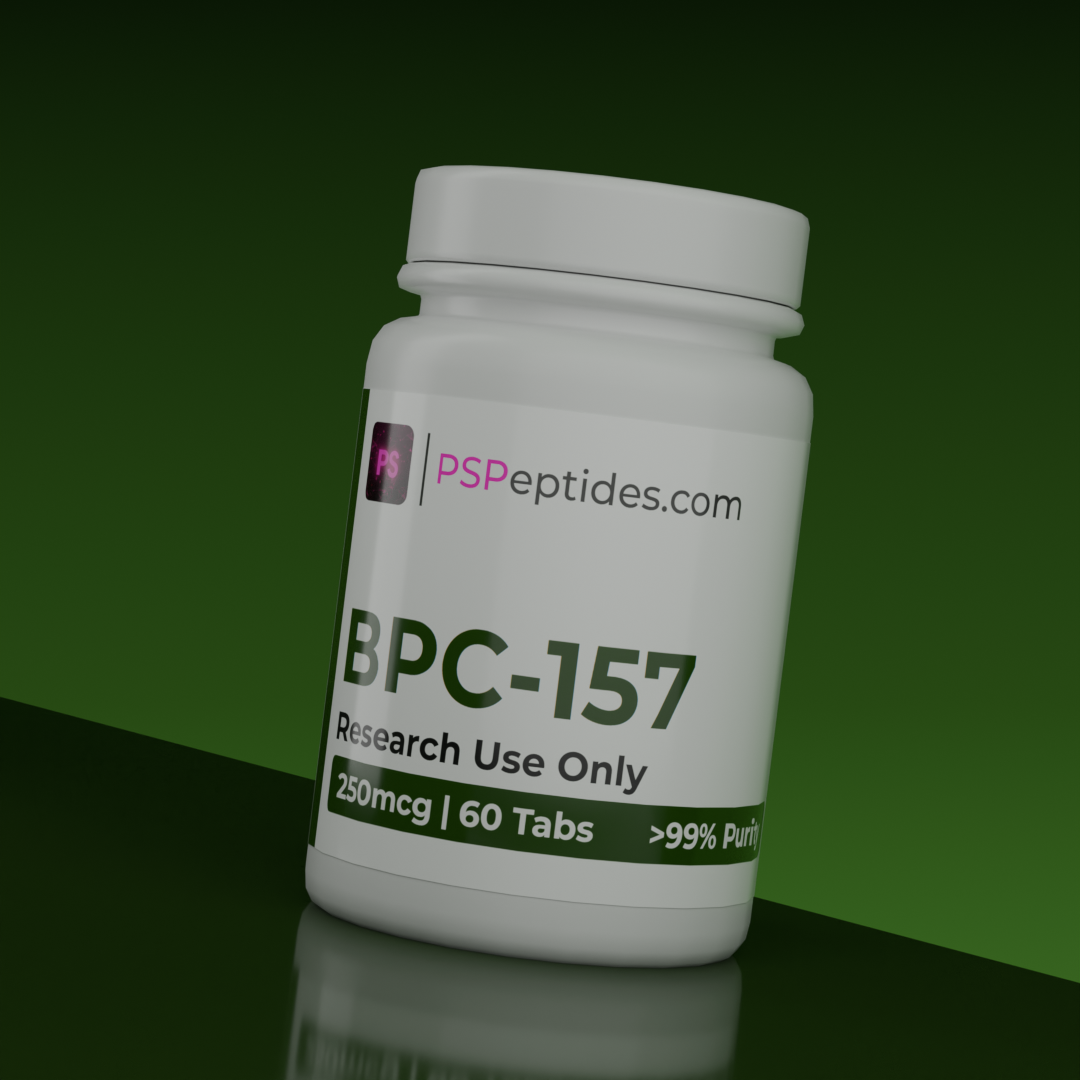
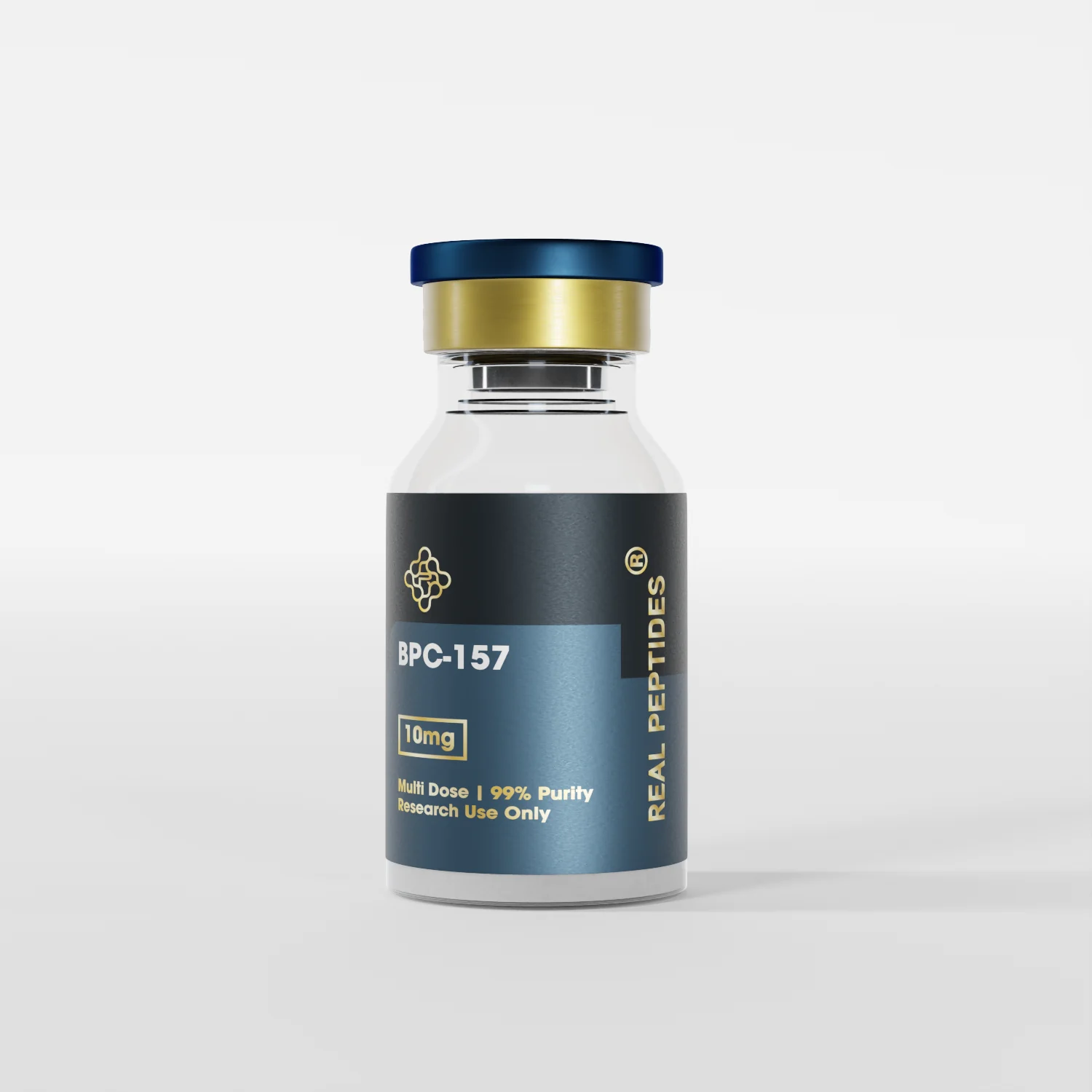
Real Peptides says it publishes a batch-specific third-party certificate of analysis before purchase for its BPC-157 10mg vial, while Peptide God lists its BPC-157 as lab-tested at 99% purity or higher. A BPC-157 COA is the only document that tells you what should be in a vial, and for an unlicensed research compound no medicines regulator has checked that for you.
This guide explains what a COA is, what you can expect from each of its sections, and common errors that consumers commit. Be sure to read it before placing your order!
The importance of a COA in the case of BPC-157 surpasses that in the case of an authorized medication, since no one has conducted any tests on the product yet. BPC-157 does not hold a license in the UK and, as a consequence of this, the MHRA has not verified the manufacturing processes or the quality of any of its sellers.
UK guidance is clear that a "research use only" label does not mean a product was made to medicine standards. The MHRA warns that products from unregulated sources can have unknown contents, quality and handling. A COA does not fix that, but it is the best evidence a buyer can see before paying.
An effective Certificate of Analysis applies the identity of the product, batch as well as the name of the laboratory and includes the results.
| Item | What to look for |
|---|---|
| Product name | BPC-157, matching the listing you are buying |
| Batch or lot number | A number you can match to the label on the vial or bottle |
| Testing laboratory | A named lab, ideally independent of the vendor |
| Test date | A date recent enough to cover the batch on sale |
| Purity result | A percentage figure from a named test method |
| Identity result | Confirmation the substance is BPC-157, not only that it is pure |
| Content | The measured amount, to set against the stated vial size |
“The term 'third-party' means that the evaluation was performed by a laboratory that is different from the seller. Real Peptides says that its COAs are from a third-party laboratory. When analyzing a vendor’s COA, keep in mind that it is derived from the vendor’s internal testing”.
Purity indicates the amount of BPC-157 present in the vial, while content indicates the amount of substance present in the vial. Hence, it is possible for a vial to be highly pure but not adequately filled.
This is why stated size matters. The Real Peptides vial is stated as 10 mg at $43.20 (US dollars). If the COA reports a measured content well below the stated size, the per-mg price on our price page no longer holds. Under-filled products appear among the complaints in Real Peptides' recent Trustpilot reviews, though those relate to liquid products.
The most frequent error is to go with a generic COA that isn’t consistent with the batch that arrives. A certificate is valuable only if it’s associated with your vial.
Mislabelled test tubes are an issue raised in previous Real Peptides reviews, which is why it is important to verify that the label and the certificate match.
Blends and capsules require an extensive COA as compared to a single vial. A blend such as Peptide God BPC-157 + TB-500 Blend is expected to have results for more than one peptide in the COA.
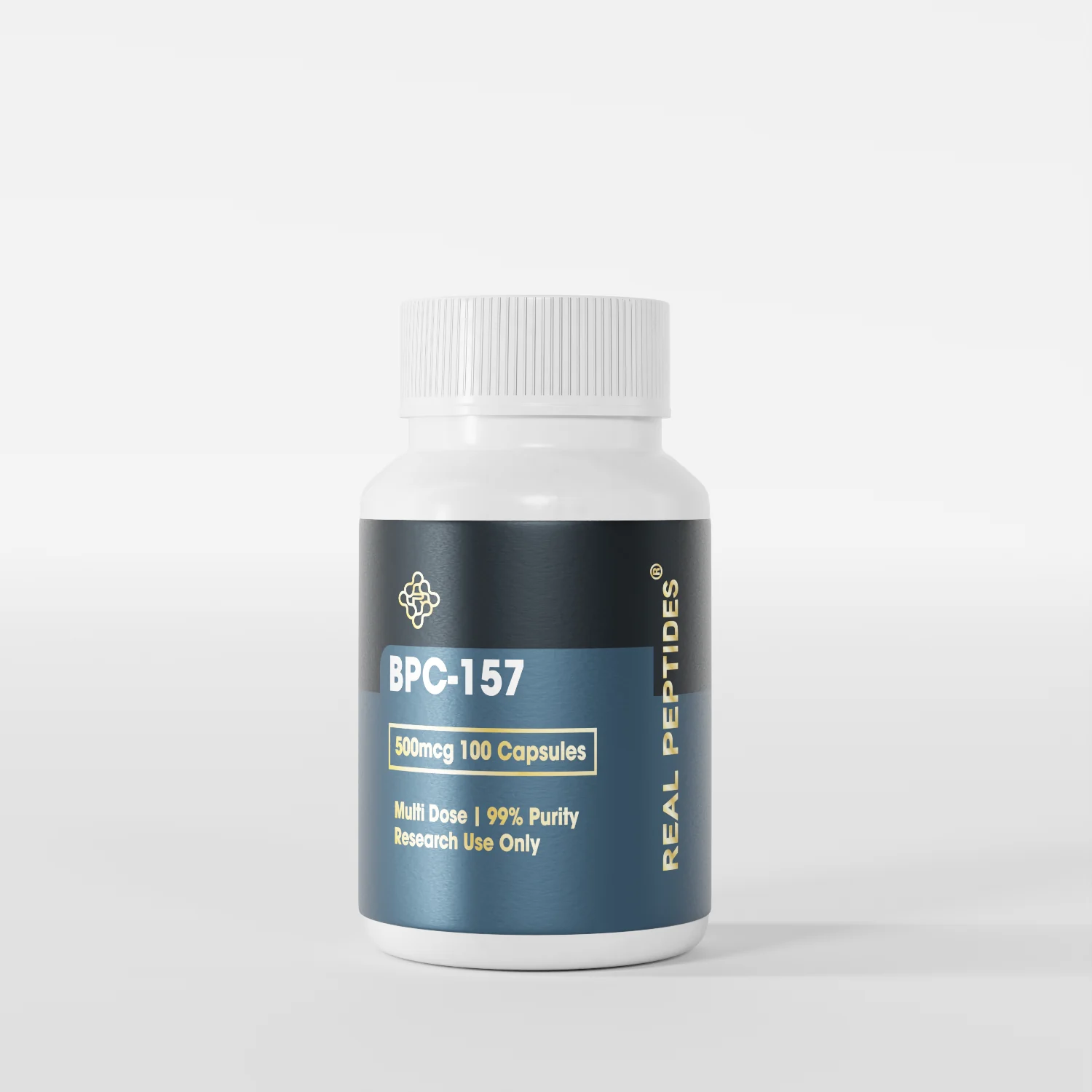
For BPC-157 Capsules, the COA should cover the finished capsules, ideally with content per capsule. A certificate for the raw powder alone tells you little about the bottle. We cover the capsule product on our oral BPC-157 page and the bundles on our stack comparison.
Not even an ideal Certificate of Analysis (COA) can confirm the safety or efficacy of BPC-157 in humans. The data available on humans is based on virtually no controlled trials and consists primarily of animal studies.
It also cannot change the product's legal or sporting status: BPC-157 is unlicensed in the UK and on the WADA Prohibited List. I would treat the COA as a quality check on the vendor, and nothing more.
Real Peptides says it publishes a batch-specific third-party certificate of analysis before purchase for its BPC-157 10mg vial, while Peptide God lists its BPC-157 as lab-tested at 99% purity or higher. A BPC-157 COA is the only document that tells you what should be in a vial, and for an unlicensed research compound no medicines regulator has checked that for you.
This guide explains what a COA is, what you can expect from each of its sections, and common errors that consumers commit. Be sure to read it before placing your order!
The importance of a COA in the case of BPC-157 surpasses that in the case of an authorized medication, since no one has conducted any tests on the product yet. BPC-157 does not hold a license in the UK and, as a consequence of this, the MHRA has not verified the manufacturing processes or the quality of any of its sellers.
UK guidance is clear that a "research use only" label does not mean a product was made to medicine standards. The MHRA warns that products from unregulated sources can have unknown contents, quality and handling. A COA does not fix that, but it is the best evidence a buyer can see before paying.
An effective Certificate of Analysis applies the identity of the product, batch as well as the name of the laboratory and includes the results.
| Item | What to look for |
|---|---|
| Product name | BPC-157, matching the listing you are buying |
| Batch or lot number | A number you can match to the label on the vial or bottle |
| Testing laboratory | A named lab, ideally independent of the vendor |
| Test date | A date recent enough to cover the batch on sale |
| Purity result | A percentage figure from a named test method |
| Identity result | Confirmation the substance is BPC-157, not only that it is pure |
| Content | The measured amount, to set against the stated vial size |
“The term 'third-party' means that the evaluation was performed by a laboratory that is different from the seller. Real Peptides says that its COAs are from a third-party laboratory. When analyzing a vendor’s COA, keep in mind that it is derived from the vendor’s internal testing”.
Purity indicates the amount of BPC-157 present in the vial, while content indicates the amount of substance present in the vial. Hence, it is possible for a vial to be highly pure but not adequately filled.
This is why stated size matters. The Real Peptides vial is stated as 10 mg at $43.20 (US dollars). If the COA reports a measured content well below the stated size, the per-mg price on our price page no longer holds. Under-filled products appear among the complaints in Real Peptides' recent Trustpilot reviews, though those relate to liquid products.
The most frequent error is to go with a generic COA that isn’t consistent with the batch that arrives. A certificate is valuable only if it’s associated with your vial.
Mislabelled test tubes are an issue raised in previous Real Peptides reviews, which is why it is important to verify that the label and the certificate match.